HOLD ON, REDIRECTING YOU...


Exploring Alas Purwo: A Journey into the Wild Side of Java
Some journeys feel different from the very first step. Not because the terrain is difficult or the distance is long, but because the atmosphere gradually begins to change.


As you enter Alas Purwo National Park in Banyuwangi, the bustle of everyday life slowly fades away. The road is enclosed by towering trees, the air becomes more humid, and sunlight filters through the dense forest canopy.
Alas Purwo is not a destination that can be fully experienced in a single visit. Covering more than 44,000 hectares, this protected area encompasses tropical rainforest, savanna, wetlands, caves, and a coastline facing the Indian Ocean. Each ecosystem has its own character and story, making the park one of the defining destinations for nature-based tourism in Banyuwangi.
Alas Purwo is not a destination that can be fully experienced in a single visit. Covering more than 44,000 hectares, this protected area encompasses tropical rainforest, savanna, wetlands, caves, and a coastline facing the Indian Ocean. Each ecosystem has its own character and story, making the park one of the defining destinations for nature-based tourism in Banyuwangi.
Entering the Alas Purwo Forest
Among the trees, sound becomes one of the clearest signs of the forest's presence. Birdsong carries from the distance, followed by the hum of insects and the rustling of leaves stirred by the wind. There is little to do but walk slowly, stay observant, and let the forest reveal itself at its own pace.
The forest provides habitat for a remarkable range of wildlife, including Javan banteng, deer, lutungs, leopards, and numerous bird species. At Sadengan Savanna, the open grassland offers an opportunity to observe Javan banteng in their natural habitat without disrupting their routines.
There is a distinct sense of wonder in watching wildlife where it naturally belongs. There are no fences, staged attractions, or artificial sounds designed to draw an animal's attention. The experience comes from being willing to wait, remain quiet, and keep a respectful distance.
The forest provides habitat for a remarkable range of wildlife, including Javan banteng, deer, lutungs, leopards, and numerous bird species. At Sadengan Savanna, the open grassland offers an opportunity to observe Javan banteng in their natural habitat without disrupting their routines.
There is a distinct sense of wonder in watching wildlife where it naturally belongs. There are no fences, staged attractions, or artificial sounds designed to draw an animal's attention. The experience comes from being willing to wait, remain quiet, and keep a respectful distance.
Observing Wildlife from a Safe Distance
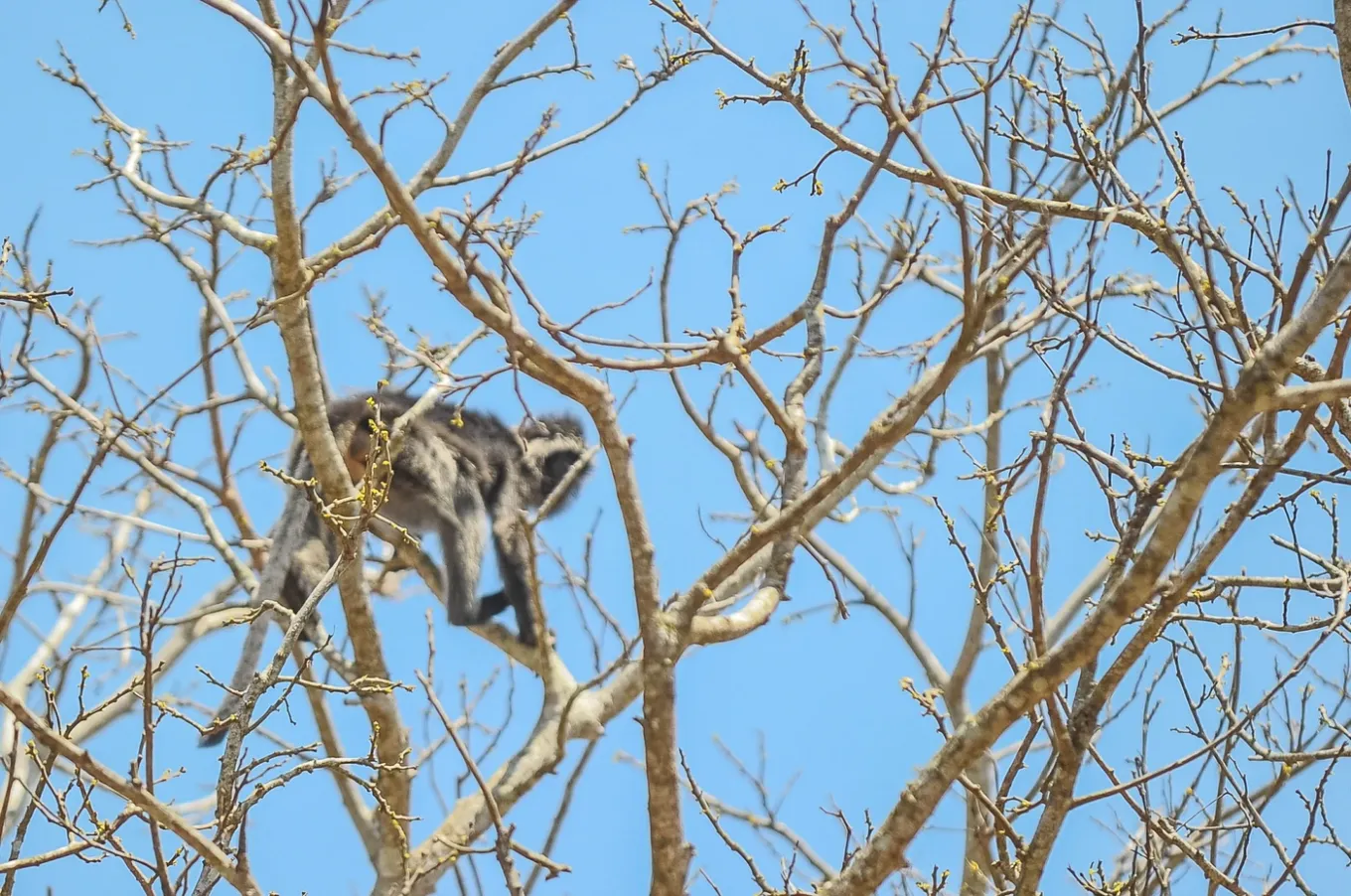
Wildlife watching calls for a different mindset from visiting conventional tourist attractions. Human presence should not alter the behavior of animals as they forage, move through their habitat, or rest. Keeping a respectful distance is an essential part of responsible wildlife tourism. From afar, a herd of banteng crossing the grassland or a bird moving through the forest canopy can be observed without disturbing the ecological balance of its habitat.
Experiences like this make the journey feel more contemplative. There is no need to capture the perfect close-up photograph. Simply witnessing wildlife behaving naturally can be a meaningful experience in itself.
From the Forest to the Coast
As you travel farther south, the character of the landscape begins to shift. The forest gradually opens up, creating wider vistas. The air carries a salty scent, and the sound of waves begins to rise before the coastline comes fully into view.
One of the best-known destinations within the area is Plengkung Beach, better known as G-Land, which has long attracted surfers from around the world.
One of the best-known destinations within the area is Plengkung Beach, better known as G-Land, which has long attracted surfers from around the world.
G-Land: World-Class Waves at the Edge of Java
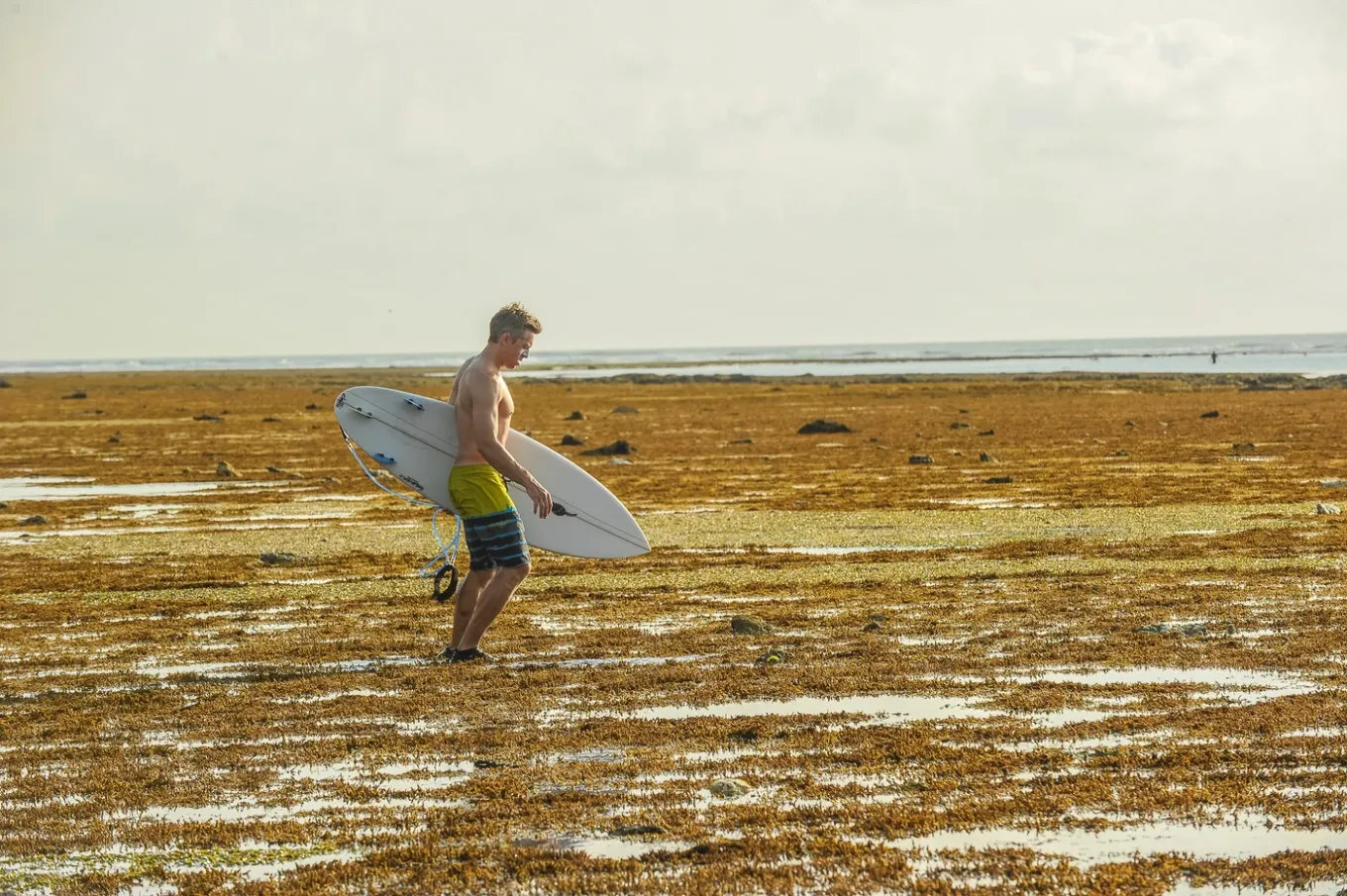
G-Land is renowned for its powerful, long, and challenging waves. These conditions have made Plengkung one of Indonesia's most iconic surfing destinations. What makes the place even more remarkable, however, is its setting.
The open ocean stretches across the horizon, while the forest remains the dominant backdrop. This creates a very different experience from surfing destinations shaped by urban development or densely populated coastal areas. Here, the appeal is not simply about riding the waves. The surrounding wilderness is an integral part of the experience.
Caves, History, and Local Beliefs
Beyond its forests and coastline, Alas Purwo holds a deeper layer of history and cultural meaning. Caves scattered throughout the area carry cultural and spiritual significance for local communities. Some are believed to be places for spiritual practices, reflection, and seeking inner peace.
Stories surrounding Alas Purwo have also been passed down through generations. The name of the area is often associated with narratives about an ancient forest and the origins of life. These stories form part of local belief systems and add a cultural dimension to the landscape.
Stories and facts, however, deserve to be understood within their respective contexts. The ecological significance of the park can be explored through scientific research and conservation management, while its legends remain part of the cultural heritage of communities that have long coexisted with the surrounding environment.
After tracing the forest trails and reaching the coast, Alas Purwo feels like more than a collection of destinations. Its savanna, caves, trees, wildlife, and ocean form a single interconnected landscape.
Experiences in places like this also introduce a more responsible approach to travel. Keeping a safe distance from wildlife, carrying out your rubbish, staying on designated trails, following park regulations, and leaving natural objects where they belong are simple actions that can make a meaningful contribution to long-term conservation.
Ultimately, exploring Alas Purwo is not only about what you see along the way. It is also about the awareness that gradually emerges when you find yourself surrounded by a landscape that remains largely intact.
The wild side of Java does not need to be conquered to be appreciated. All it takes is curiosity, a slower pace, and a commitment to leave with a deeper desire to help protect it.
Explore our national park guides here to uncover the stories behind every landscape, and begin your adventure with Legenda Khatulistiwa.
Stories surrounding Alas Purwo have also been passed down through generations. The name of the area is often associated with narratives about an ancient forest and the origins of life. These stories form part of local belief systems and add a cultural dimension to the landscape.
Stories and facts, however, deserve to be understood within their respective contexts. The ecological significance of the park can be explored through scientific research and conservation management, while its legends remain part of the cultural heritage of communities that have long coexisted with the surrounding environment.
After tracing the forest trails and reaching the coast, Alas Purwo feels like more than a collection of destinations. Its savanna, caves, trees, wildlife, and ocean form a single interconnected landscape.
Experiences in places like this also introduce a more responsible approach to travel. Keeping a safe distance from wildlife, carrying out your rubbish, staying on designated trails, following park regulations, and leaving natural objects where they belong are simple actions that can make a meaningful contribution to long-term conservation.
Ultimately, exploring Alas Purwo is not only about what you see along the way. It is also about the awareness that gradually emerges when you find yourself surrounded by a landscape that remains largely intact.
The wild side of Java does not need to be conquered to be appreciated. All it takes is curiosity, a slower pace, and a commitment to leave with a deeper desire to help protect it.
Explore our national park guides here to uncover the stories behind every landscape, and begin your adventure with Legenda Khatulistiwa.
Other Stories
-
 6 Sep 2025Ekspedisi Legenda Khatulistiwa Opens New Paths of DiscoverySome journeys are not just about distance, but about meaning. Ekspedisi Legenda Khatulistiwa invites travelers to see Indonesia...read more
 -
4 Nov 2023One of the greatest places in the world: Indonesia's Unparalleled Underwater KingdomOne of the greatest places in the world to go scuba diving is Indonesia. The country is located in the coral triangle, which...read more
-
5 Feb 2025Thrilling Jeep Rides Through Bromo's Stunning TerrainThe vast sand sea surrounding Mount Bromo is more than just a striking expanse, but it's an open invitation for adventure....read more
-
2 Des 2023Exploring the Richness of Indonesian Coffee Beans : A Journey Through Flavors and CultureCoffee, popularly known as one of the most consumed beverages in the world, is ranked as a top commodity globally. According...read more
-
15 Des 2023The Trihata Karana AwardThe Tri Hita Karana is a Balinese Hindu philosophical concept that emphasizes the importance of maintaining harmony and balance...read more
-
30 Sep 2025Reviving Reefs Through the Work of Local HeroesNot all heroes are found on land. Some dive into the sea with coral fragments in hand, replanting tomorrow's reefs one...read more
-
4 Apr 2025Plataran Indonesia's Tribute to Indigenous Culinary HeritageIndonesia is home to a rich biodiversity, yet some of its most valuable culinary gems remain hidden in plain sight. Indigenous...read more
-
2 Sep 2026Indonesia's Coastline: Where Land Meets the Sea and LifeThere is something about Indonesia's coastline that cannot be fully captured by numbers alone. More than seventeen thousand...read more
-
6 Apr 2025Sustainable Tourism: Plataran Bromo by Climate starts with SEAThis article, titled "Sustainable Tourism: Plataran Bromo," was written by Karina & Massimiliano and originally published...read more
-
20 Jun 2025Wae Rebo The Cultural Heartbeat Near Labuan BajoHigh above the mist-draped highlands of Flores sits Wae Rebo, a village often called the “village above...read more
-
30 Apr 2025Beyond Beauty, Indonesia Sets the Stage for Global EventsA nation's tourism appeal isn't just about breathtaking landscapes or cultural richness, but also about world-class...read more
-
1 Sep 2026Indonesia Is Home to One-Fifth of the World's Mangrove Forests. Perhaps That Alone Is Reason Enough to Come and See ThemStand at the edge of a mangrove forest at low tide and take a moment to listen. Before you fully understand what lies before...read more
-
12 Okt 2025Ijen Crater, the Blue Fire Wonder of East JavaOn the border of Banyuwangi and Bondowoso in East Java lies Ijen Crater, a natural wonder that draws travelers from around...read more
-
29 Okt 2023A Unique Coastal Gem in Yogyakarta with Mystical CharmsYogyakarta, known for its plethora of breathtaking tourist destinations, offers a unique beach experience in the Gunungkidul...read more
-
16 Nov 2025Piaynemo Raja Ampat, The Miniature Paradise of West PapuaThere are landscapes that stop you in your tracks, and Piaynemo is one of them. Rising from the turquoise waters of Raja...read more


